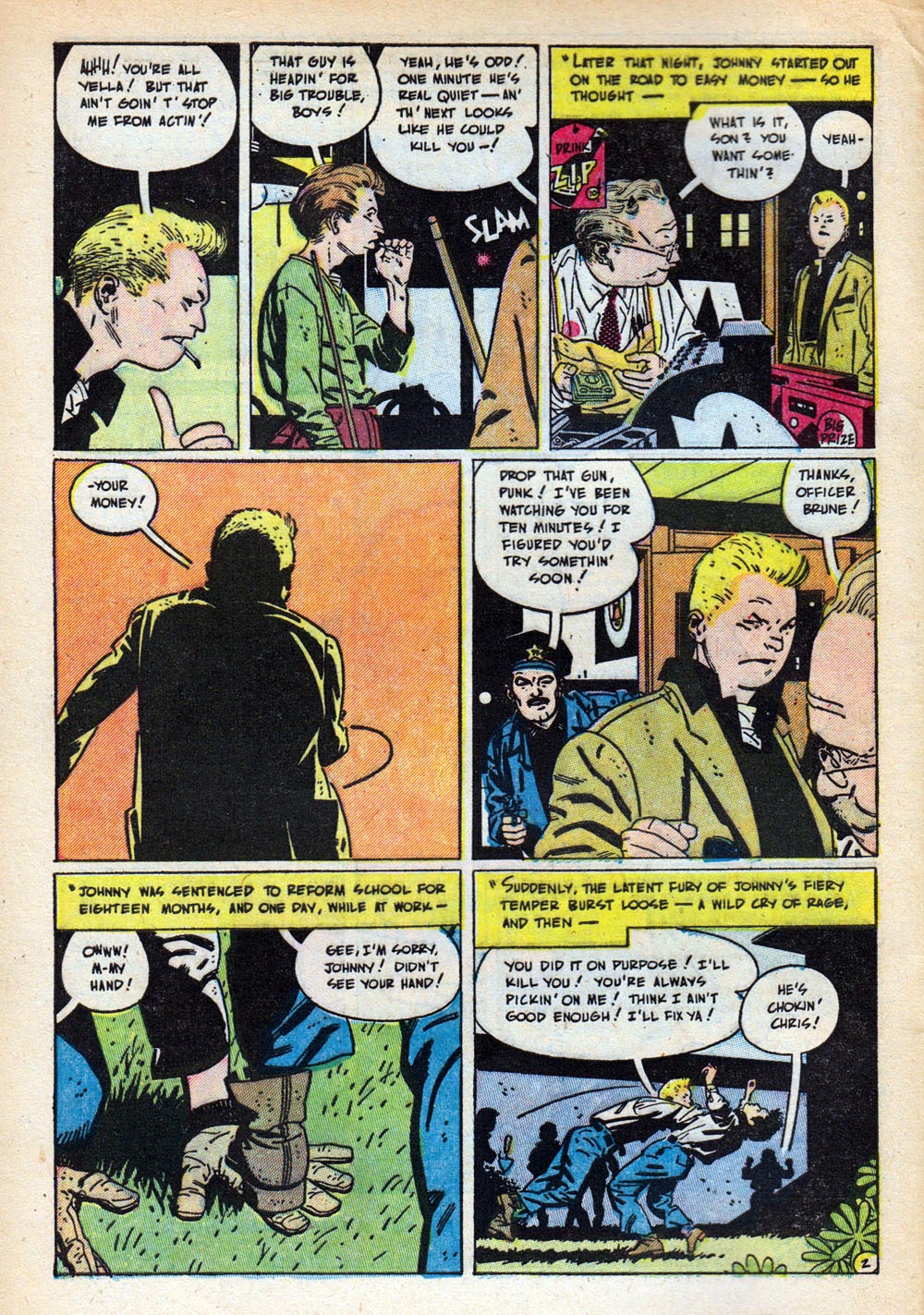
CLASSIC.
clas·sic - \ˈkla-sik\
adjective
adjective
1. a : serving as a standard of excellence : of recognized value [classic literary works]
___________________________________________
Greetings, comics fan.
I am
THE APOCOLYTE!

Welcome to another day for great comics!
I have a story first.
FLASHBACK:
The year was 1971. It was late spring. A young Apocolyte walks into the local Topps store (picture a department store, pre-Walmart, similar to a Kmart). On the wall near the entrance there are three vending machines and a photo booth. One vending machine sells candy. One vending machine sells soft drinks. The final vending machine sells...COMIC BOOKS!
Aha! Probably most of you have no idea what I'm talking about and have never seen a comic book vending machine! I think their heyday was during the mid 1960's through mid 70's. Distribution of comics and magazines wasn't quite like it is today. If you had a decent news-stand in town you were the lucky one. Another option for comic readers was to order a mail order subscription, and the comic book would come FOLDED IN HALF (!) vertically inside a small brown sheath envelope, which would invariably produce an everlasting wrinkle crease down the center of the cover.
Another way to get your comic fix was to find a drugstore that hopefully had a spinner rack or a small magazine section and if you were lucky you could get a copy of your favorite comic before they disappeared, but the chances were that the issue you'd been waiting a whole month for somehow eluded you at the stores you had access to. Yes, collecting your favorite comics back then was often a spotty practice that left gaps here and there that may one day, in the years to come, be rectified. Today, with internet sales, digital downloads, and specialty comic stores there are almost too many choices and too much comic content, and while problems still occur, finding what comic you're looking for isn't usually one of them.
So, in 1971, that's where comic book vending machines played a role. For many years I bought many comics from that old vending machine. That particular machine carried only DC comics, and they were loaded on their rotating spring arms in no particular order. You might have a Lois Lane in front, and behind it you could see there was a Sgt. Rock, and behind that was a Justice League of America. If you had enough change (it took a dime and a nickel, unless there was a 25¢ giant sized issue - don't you wish you could buy a comic for 15¢ now?) you could buy that ol' Lois Lane so you could get to the Sgt. Rock and the Justice League that you really wanted!
I got stuck with many a Lois Lane and Jimmy Olsen comic that way.
Back to my original story. In the machine this particular day was a comic I knew I had to buy! I'd have bought TEN Lois Lane's in order to get this issue of DC's HOUSE OF SECRETS #92! There was a cover like nothing my little brain had ever seen! WOW! And the story inside! Just as good!
So, my original, now rare and nearly priceless HOUSE OF SECRETS #92 comic was purchased from a vending machine.
The sad addendum to the story is that the very same comic was stolen from me, along with most of my massive childhood comic collection. SNIFF! It still brings a tear to my eye! (dab dab)
I did eventually replace it, and much of my original collection, through the modern phenomena known as the internet, flea markets, garage sales, and a plethora of comic stores that one day miraculously sprouted up throughout the country.
The End.
________________


Berni Wrightson's artistic style is unmistakenly his own, there is no one like him. Before Wrightson there was Graham Ingels, and since Wrightson there is Kelley Jones, and each was influenced by their predecessor. Similar styles, black shadows and somber moods, but Wrightson has established himself as the modern master of gothic horror.
You've no doubt seen this story before, many times.
It is a story worth reading again, and again, as all classics are.
So, from my reprint, digitally enhanced and restored, is the masterpiece that came from the minds of Len Wein and Berni Wrightson.
Here is...
SWAMP THING!
_________________


__________________

- Digitally Restored Comic Art-
_________________________
-click to enlarge-


____________________________
Wow!
I could drone on and on about Wrightson's art!
What marvelous layout, and staging, panel formation, and camera angles, and artistic execution!
Brilliant!
According to the PENCIL INK blog, Wrightson was aided on the story inks by his art studio mates,
Jeff Jones, Michael W. Kaluta, and Alan Weiss (who also had 6 pages of art in the same issue).
GCD hesitantly credits Tatjana Wood (aka Mrs. Wally Wood) as colorist.
I would be remiss if I didn't mention and display Wrightson's stunning cover artwork.
The original art was done as an ink wash drawing and is owned by collector Stephen Fishler, and is displayed here (click link), as well as posted below.

DC famously (or infamously) altered Wrightson's original art by what can be described as applying a mezzotint screen process, which produced the now familiar stippling effect. Either way you look at it, it remains an elegant and masterful composition and one of the most beautiful comic book covers ever created.

HOUSE OF SECRETS # 92, 1971
Gorgeous! What a masterpiece!
Whoever did the coloring did an amazing job!
(aha...now I see! GCD credits Jack Adler)
Nicely done, Jack!
__________________________________
I hope you enjoyed that, I certainly did!
But, before you go, I have a special treat for you!

Over at
I have posted original artwork by Berni Wrightson
doing a Simpson's parody of his SWAMP THING creation!
You don't want to miss this!

__________________________________
I'll be back here with more good stuff for you!